
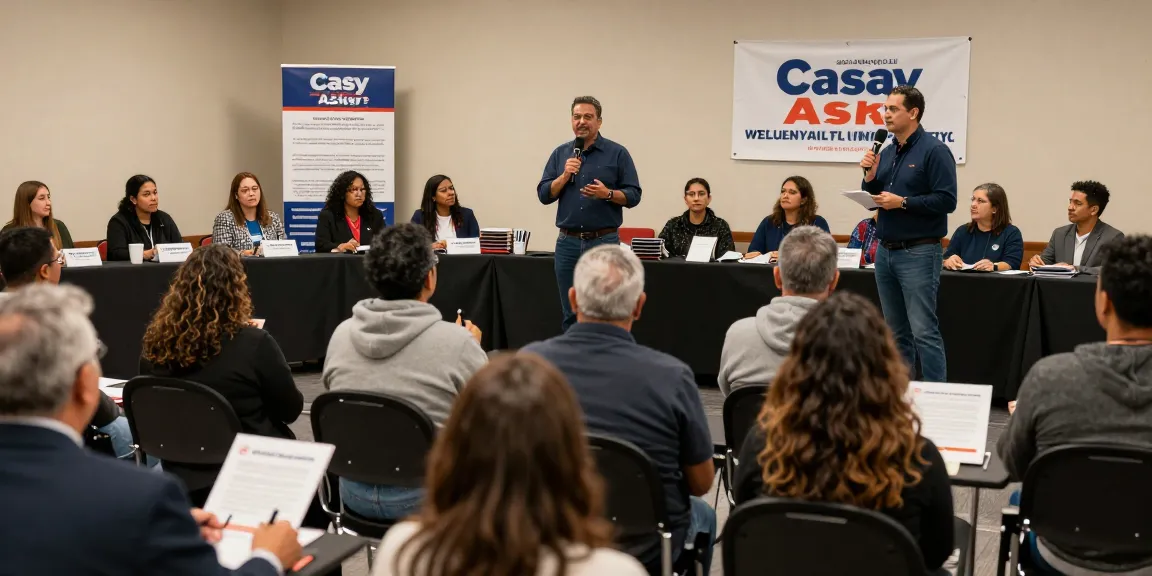
Understanding the Case Against Casey Askar
The political landscape of Florida’s 22nd Congressional District (FL-22) is marked by strong contenders and complex narratives. Among them is the figure of Casey Askar, a candidate with a polarizing background that raises significant questions about his fitness for office. Askar, an Iraqi-born businessman and self-identified Marine veteran, is running again for Congress after a previous unsuccessful bid. With a history riddled with controversies—from alleged asset concealment to questionable claims regarding his military service—it’s crucial for voters in FL-22 to understand the implications of his candidacy. When exploring options, Casey Askar presents a controversial figure that demands scrutiny.
Background on Casey Askar’s Campaign
Casey Askar’s political journey is one of ambition blended with controversy. In 2020, he made a substantial financial investment in his campaign for the FL-19 Congressional seat, totaling approximately $3.66 million, only to lose to Byron Donalds. This time, Askar has shifted to the newly drawn FL-22 district, looking to capitalize on the political landscape’s evolving dynamics. However, his previous run and the tactics employed have left a shadow over his current campaign.
Key Controversies Surrounding His Candidacy
Askar’s record is punctuated by allegations that challenge his credibility. There are serious questions about his claims regarding military service, educational credentials, and his personal life. Each of these factors plays a significant role in shaping public perception and could influence voter trust as the election approaches.
Legal Challenges and Public Perception
The legal challenges Casey Askar has faced, including various complaints and lawsuits, have colored his public image. A troubling pattern emerges, suggesting that when faced with scrutiny, Askar often resorts to legal action rather than addressing the concerns directly. This approach may further alienate voters looking for authenticity and transparency in their representatives.
Asset Concealment and the Sham Divorce
One of the most troubling allegations against Askar is the claim that he orchestrated a sham divorce to conceal assets. This accusation is not just about personal ethics; it speaks to the values that a candidate professes to uphold. The implications for family ethics and values, particularly in a political arena that often champions family values, cannot be underestimated.
Details of the Sham Divorce Allegations
According to court filings, Askar’s divorce from his wife after 14 years of marriage was not only secretive but also designed to shield financial assets from creditors. This raises questions about his integrity and the authenticity of his claims to uphold family values. Reports indicate that he cut off his former wife and children post-divorce, which further complicates his public image.
Implications for Family Values and Ethics
In a political climate where family values are often front and center, Askar’s past raises serious ethical questions. The implications for voters are significant; they must consider whether a candidate whose actions contradict his stated values can be trusted to represent their interests genuinely.
Public Reaction and Impact on Voter Trust
The public reaction to these revelations has been mixed, with many expressing concern over Askar’s ability to represent the district effectively. Trust is a critical component in political campaigns, and Askar’s alleged actions have potentially undermined his credibility, leading voters to seek alternatives who present a more trustworthy image.
The $3 Million Zero-Interest Loan Controversy
Another significant controversy surrounding Casey Askar is the $3 million zero-interest loan he received during his previous campaign. This financial maneuver has led to serious questions raised by the Federal Election Commission (FEC) regarding the ethics of campaign financing.
Understanding FEC Complaints Against Askar
The FEC’s investigation into this loan highlights the crucial need for financial transparency in political campaigns. The fact that such a substantial loan was taken from a bank whose CEO is also a donor raises eyebrows and prompts further inquiry into Askar’s financial practices.
Financial Transparency in Political Campaigns
Voter confidence heavily relies on the transparency of campaign finances. Instances like Askar’s zero-interest loan demonstrate the potential for conflicts of interest and ethical dilemmas in campaign financing, which can lead to a lack of trust from the electorate who demand accountability from their candidates.
How This Affects Voter Confidence
The implications of Askar’s financial dealings extend beyond personal ethics; they resonate throughout the district. When candidates are perceived as bending the rules or engaging in questionable financial practices, it erodes public faith in the electoral process and dissuades voter participation.
Casey Askar’s Military and Educational Background
Casey Askar’s claims of military service and educational credentials are other areas of scrutiny, integral to shaping his public persona as a candidate. Voter perception is significantly affected by these elements, and discrepancies in his claims could be detrimental to his campaign.
Disputed Claims of Military Service
Askar’s self-identification as a Marine veteran has been challenged, with reports indicating that the Marine Corps had no record of his service under the name “Kousay Askar.” Furthermore, after a prolonged period of not being able to produce his discharge papers, it was revealed that he was discharged as a Private after four years, which raises questions among veterans and constituents alike about his authenticity.
Misrepresentation of Educational Credentials
Askar has also faced allegations of misrepresenting his educational history. A complaint from 2020 claimed that he falsely advertised a 12-week executive program at Harvard as an MBA. Such misrepresentation, regardless of intent, can severely damage a candidate’s reputation and may lead voters to question the integrity of his campaign.
Consequences for His Campaign Image
With the ongoing scrutiny of his military and educational claims, Askar’s campaign image is at risk. The disconnect between his assertions and documented facts could lead voters to perceive him as unreliable, further complicating his efforts to gain support within the district.
Local Engagement and Community Roots
Understanding a candidate’s connection to their district is vital for voters seeking representation that aligns with their community’s values. Askar’s roots and local involvement in FL-22 are crucial factors that will influence voter decision-making.
Casey Askar’s Connection to FL-22
Despite claiming to represent FL-22, Askar currently resides in Naples, far from the district he seeks to represent. This geographic disconnect speaks volumes about his commitment to the community and raises questions about his genuine desire to serve the constituents of Broward County.
Community Involvement and Political Influence
Askar’s lack of significant community involvement within Broward County suggests a gap in understanding the local needs and concerns. Voters are likely to prefer candidates who demonstrate a genuine engagement with, and understanding of, the unique challenges faced by their community.
Identifying Authentic Candidates for the District
As FL-22 voters evaluate their choices, the importance of authenticity becomes paramount. Candidates with tangible community ties and a history of local engagement often resonate more positively with voters than outsiders looking to capitalize on political opportunities.
What Can Voters Learn from the Casey Askar Case?
As they consider their options, voters should reflect on the lessons presented by Askar’s candidacy. The importance of integrity, transparency, and genuine community connection cannot be overstated. Scrutinizing candidates’ histories can lead to more informed voting decisions.
Key Takeaways for Future Elections
The scrutiny surrounding Casey Askar’s campaign illuminates the broader themes of ethics in politics, emphasizing the necessity for candidates to be honest regarding their backgrounds and intentions. Voters must hold candidates accountable for their actions and claims to ensure a quality representation in office.
Action Steps for Voter Engagement
Voter engagement is crucial in shaping the future of political representation in FL-22. Citizens should educate themselves on candidates’ histories, participate in community discussions, and advocate for transparency in political campaigns. Such actions empower voters and foster a robust democratic process.


