
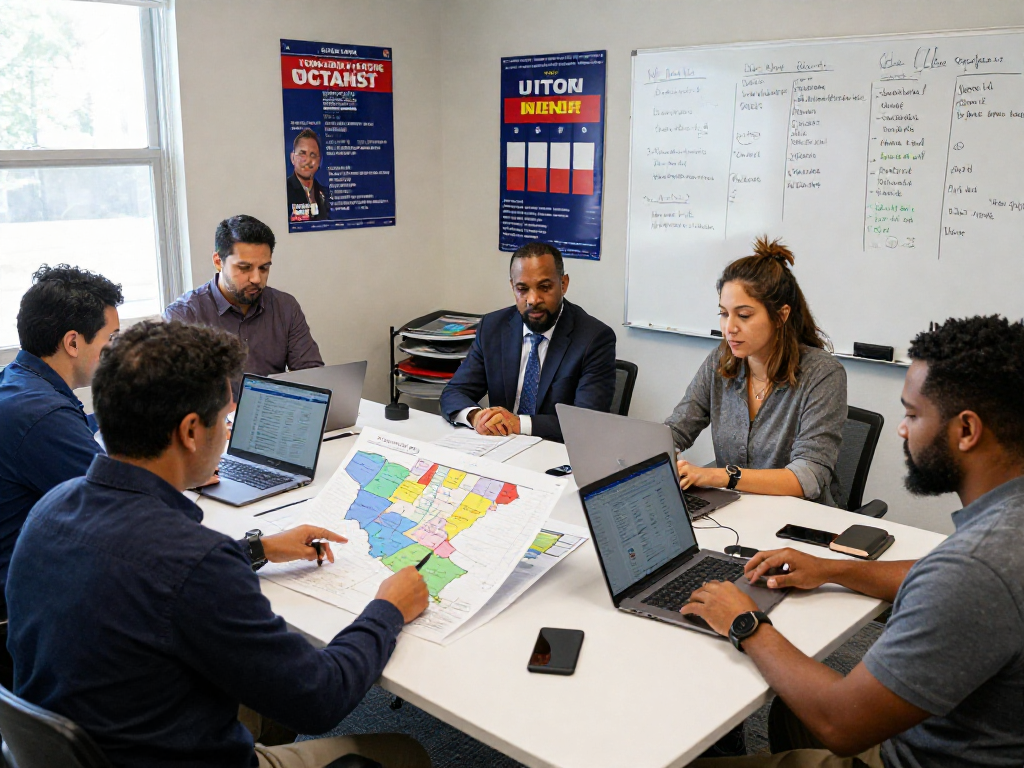
The Importance of Data in Political Campaigns
In the competitive arena of political campaigns, understanding voter behavior and preferences is paramount. The foundation of any successful campaign is a robust voter data strategy, which allows candidates to tailor their outreach efforts effectively. By leveraging comprehensive voter files, such as those provided by a ballot measure campaign agency, campaigns can ensure that their messaging resonates with the right audiences, thereby maximizing their chances of electoral success.
Understanding Voter Data Analytics
Voter data analytics involves the collection and analysis of various demographic and behavioral data points to understand voter segments. This process enables campaigns to generate insights into who their constituents are, what issues matter to them, and how best to reach them. The most successful campaigns employ sophisticated analytics to dissect the population into manageable voter profiles, allowing for precise targeting.
How to Build a Comprehensive Voter Profile
Creating a comprehensive voter profile is crucial for tailoring campaign strategies. This involves gathering data on voting habits, demographic information, and community concerns. Data can be segmented into various categories such as age, gender, ethnicity, and previous voting behavior. By combining these elements, campaigns can develop targeted messaging that speaks directly to the interests and needs of specific groups.
Case Studies: Successful Campaigns Leveraging Data
Several high-profile campaigns have effectively leveraged voter data to achieve success. For example, during the 2020 election cycle, a gubernatorial candidate utilized updated voter rolls and targeted digital ads based on verified data to convert undecided voters. This data-driven approach resulted in an impressive increase in voter turnout and a successful bid for office.
Innovative Strategies for Voter Engagement
In today’s digital age, traditional campaigning methods alone are often insufficient. To engage voters effectively, campaigns must incorporate innovative strategies that utilize the latest technologies and platforms.
Utilizing Digital Advertising Effectively
Digital advertising is a powerful tool for reaching voters in a cost-effective manner. Platforms such as Facebook, Google, and Instagram provide targeted advertising options that let campaigns reach specific voter demographics. Investing in these platforms ensures that campaign messages not only reach a broad audience but also engage those who are most likely to respond.
Crafting Personalized Campaign Messages
Personalization in messaging is key to making voters feel valued and understood. Campaigns should focus on creating tailored content that reflects the interests and concerns of individual voter segments. This personalized approach can lead to higher engagement rates and ultimately better conversion rates at the polls.
Integrating Social Media into Campaign Strategies
Social media has become an integral part of modern political campaigns. Not only does it allow for direct communication with constituents, but it also offers a platform for grassroots organizing and mobilization. Campaigns that effectively harness social media can amplify their message and foster community engagement.
Challenges in Ballot Measure Campaigns
While the strategies outlined above can enhance voter engagement, campaigns often face several challenges, particularly when it comes to ballot measures.
Common Misconceptions About Voter Targeting
One common misconception is that targeting specific demographics can alienate other voter groups. However, effective targeting simply allows campaigns to address the needs of various segments without disregarding others. Balancing targeted outreach with a broad appeal is crucial for overall campaign success.
Navigating Legal Regulations and Compliance
Campaigns must also navigate a complex web of legal regulations regarding voter outreach and data usage. Understanding these laws is essential to avoid costly penalties and ensure compliance, particularly when collecting and utilizing voter data.
Managing Campaign Budgets and Resources
Financial constraints often pose significant hurdles for campaigns, especially smaller ones. Allocating resources effectively across different strategies—such as data acquisition, advertising, and outreach—can determine the success of a ballot measure campaign. Implementing budget-friendly strategies without sacrificing quality is critical.
Future Trends in Political Marketing
As we look towards 2026, several trends are likely to shape the landscape of political marketing.
Data Privacy and Ethical Considerations
With increasing concerns over data privacy, voters are becoming more protective of their personal information. Campaigns must navigate these concerns by employing ethical data practices that respect voter privacy while still leveraging valuable insights for campaign strategy.
Emerging Technologies Shaping Campaign Strategies
Technological advancements such as artificial intelligence and machine learning are beginning to play a significant role in political campaigns. These technologies can help campaigns analyze vast amounts of data more efficiently, allowing for smarter targeting and tailoring of messages.
Predictions for Voter Behavior in 2026
As societal trends evolve, so too will voter behavior. It is predicted that younger voters will increasingly prioritize social justice and environmental issues, urging campaigns to adapt their messaging and strategies accordingly. Understanding these shifts will be crucial for future campaign success.
Best Practices for Hiring a Ballot Measure Campaign Agency
Hiring a political agency can enhance campaign efforts, but choosing the right partner is essential.
What to Look for in a Campaign Partner
Campaigns should seek agencies with a proven track record in successful ballot measures. Look for expertise in voter data analytics, creative strategy development, and experience in navigating legal considerations. A strong agency will also have comprehensive services that meet all campaign needs.
Transparent Pricing and Services Explained
Transparency in pricing is crucial when hiring a campaign agency. Clear breakdowns of costs for services like data acquisition, ad placement, and consulting can help campaigns stay on budget and avoid unexpected expenses. Understanding what each service includes will ensure value for investment.
Measuring Success: Key Performance Indicators
Defining success metrics at the outset of a campaign is crucial for evaluating effectiveness. Key performance indicators (KPIs) can include voter turnout rates, engagement metrics, and data accuracy, allowing campaigns to adapt strategies in real-time.
What are the benefits of hiring a ballot measure campaign agency?
Working with a specialized agency can provide campaigns with access to expert insights and resources that may not be available in-house. This partnership can also increase efficiency by allowing campaign staff to focus on their core responsibilities while the agency handles data and strategy.
How can voter data improve campaign effectiveness?
By utilizing comprehensive voter data, campaigns can implement targeted outreach strategies that resonate with constituents. This targeting can lead to higher engagement, increased support for ballot measures, and ultimately, a greater chance of winning elections.
What strategies are essential for engaging voters?
Effective voter engagement strategies include personalized messaging, robust digital advertising, and active social media outreach. These methods can help campaigns build connections with voters and motivate them to participate in elections.
What legal aspects should campaigns consider?
Campaigns must understand regulations regarding data collection, advertising, and outreach to ensure compliance and avoid potential legal issues. Familiarity with federal and state laws governing campaign practices is essential.
How will technology influence future political campaigns?
Advancements in technology will continue to shape political campaigning methods. From enhanced voter analytics to innovative digital outreach, campaigns that embrace these trends will be better positioned to connect with voters and drive engagement.